Knowledge
Expand of the importance of naming conventions and version control, explain how to ensure shots/assets can move from artist to artist (readability) efficiently and professionally.
Skills
Demonstrate how to build efficient tools and identify how to improve efficiency in existing tools. Examples of how to build tools with flexibility in mind, to be able to quickly respond to changes to the brief. Accurately bid/estimate how long tasks will take and complete tasks within the time allocate.
Knowledge
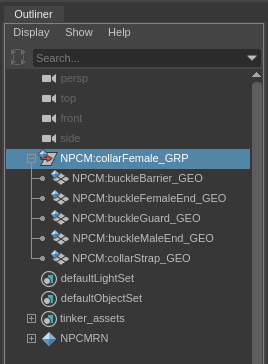
At the Mill, we have naming conventions that have taken me a very long time to remember and I am still trying to get to the stage that I automatically use them. I am understanding more and more how important it is that we all name and format our assets and scenes the same. We have a web page called Mill Academy that provides in detail the way to name assets in a scene. It covers various scenarios. This helps when passing on scenes to other artists, particularly if they are in a different department. As some of our scenes are handled by artists in The Mill Bangalore and there is some time difference they also benefit from the strict naming conventions. If they were to have any questions or confusions caused by random naming types they could potentially be left to wait a full day to get an answer due to drastic time difference which is not an efficient way of working. The process of formatting in terms of naming structure is shown below with the names of asset parts followed by GEO or GRP for groups in this case. The ‘NPCM’ is automatically added to the asset names once published and represents the job name and asset as it pertains to said job.
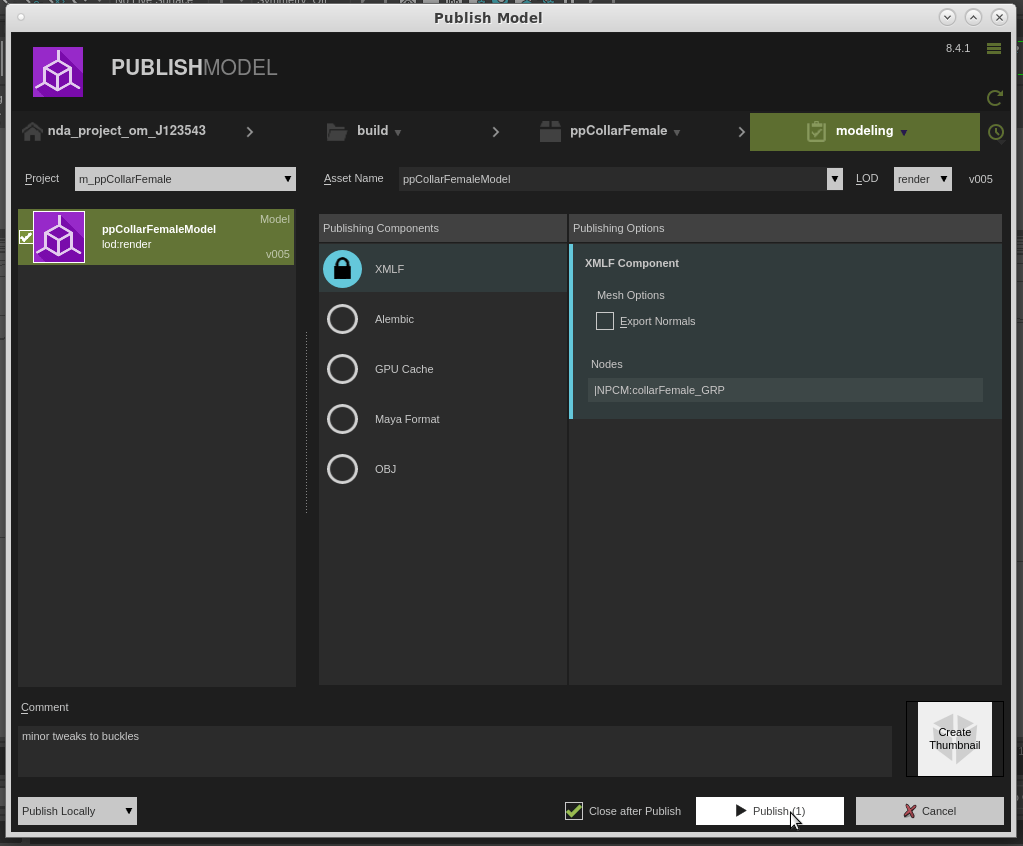
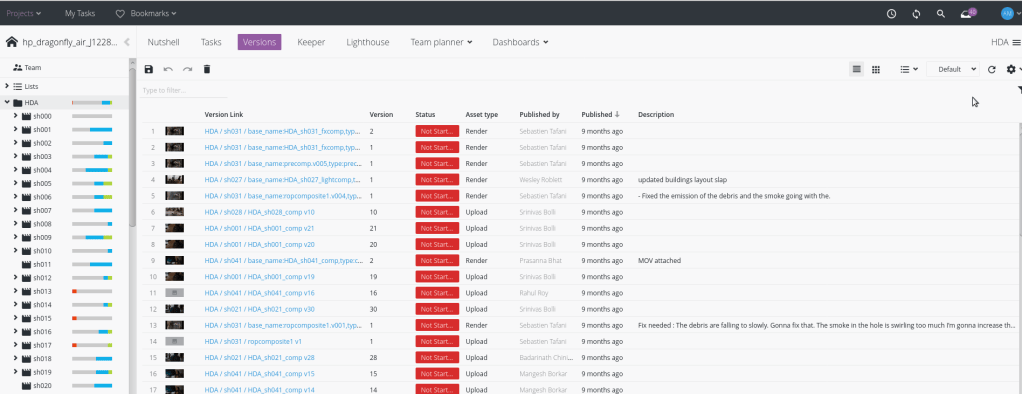
The files are all saved through what was Miasma but we have recently switched to ftrack. To navigate to the folders outside of a Miasma or ftrack scene you would need to use shell script in the Linux terminal. You can use Shell script to dive into the directories using their names and correct syntax to progress through the files. To do this you must understand the file architecture at the studio you work in. In ftrack each job has a table of contents which splits the shots into separate task pages. The lead can assign priority levels to the tasks for the shot and mark down the work submitted as complete and assign a new shot or shot task to an artist. This is all accessible by the artists on the job, they are able to see who has submitted what for any shot. The artists can specify in a comments box when submitted exactly what the submission is for. They also each have a screenshot attached to make it easier to grasp at a glance what has been done. If it is a animated submission render then this can be played in ftrack by the team too. When passing tasks and handing over files to other artists this has been useful as the artist expecting the handover can keep track of the versions and ongoing changes made to the specific file or asset easily and chronologically.
Skills
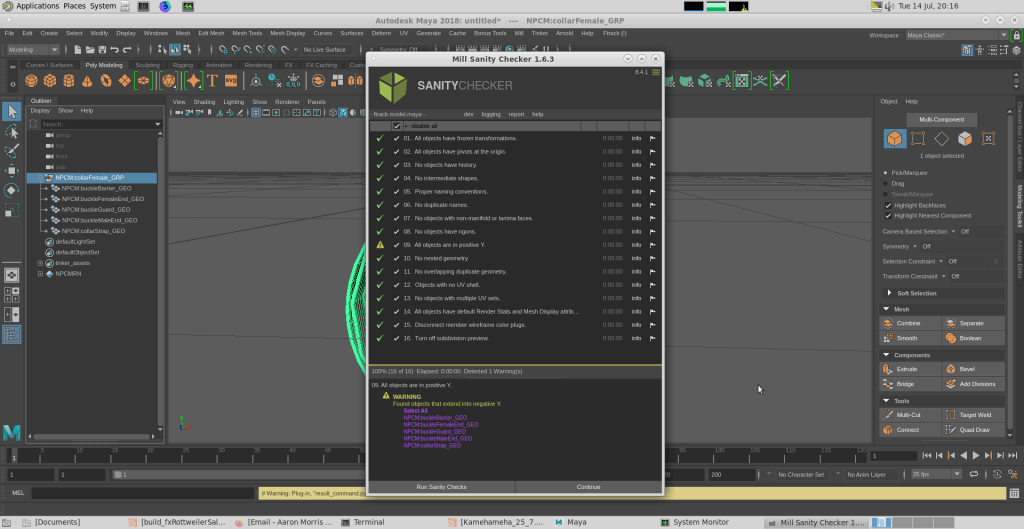
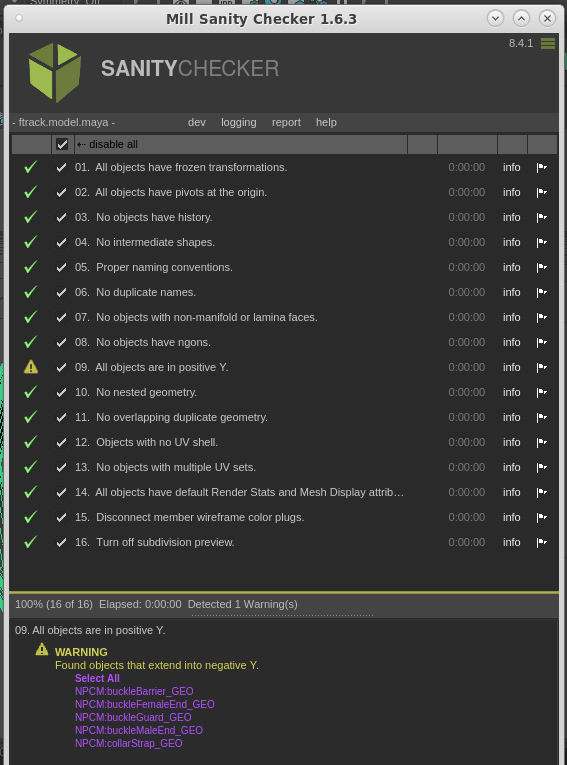
We also have a versioning system which is very easy to use. It is handled by our saving and versioning system called Miasma. Miasma allows you to easily version up your scenes. When it does version up the scene it takes a screenshot and allows you to add a comment to explain what this version contains. This is helpful to whoever may need to use your assets because when they open the scene they will be presented with all the versions chronologically, each with an explanation of what changes each version contains. To ensure that artist can move assets between artists their are tools in place that an asset must be run through in order to be published and finalised. The sanity checker is a tool which checks that the parameters of the asset to check it is standardised. Things such as an asset being zeroed out at the centre of world and having its axis at zero are standard codes of project organisation and asset management. The codes must be adhered to by every artists in all branches of the Mill. This makes sure no matter who picks up an asset at any stage is able to manipulate it no matter where they are stationed in any Mill location. The keeps the scene formats the same as any anyone else in the company and removes a level of unpredictability that can slow down artists progression if they had to check these things manually. There are some ticks on the sanity checker that as time has gone by in the company are not as necessary anymore. This is not reflected in the current tool making it difficult when new to the company what to do if the sanity checker flags something that you need to fix. This will waste time and fluster a new employee. To improve the efficiency of the tool they should be removed from the check all together to provide a cleaner experience.
An example of working and planning to a timeline would be when complex and dense models are being sculpted as early as when the leads are on set still. This is in order to manage the needs of the project. This is based in estimates of how long it will take to create certain assets. The other benefits is being able to change things as early in the pipeline as possible. The more that is ready as early as possible the final details that could need changing are also done as early as possible too. This means that the artist doesn’t waste time creating time consuming elements of the assets that are later changed and can be closer to the final result with less iterations.
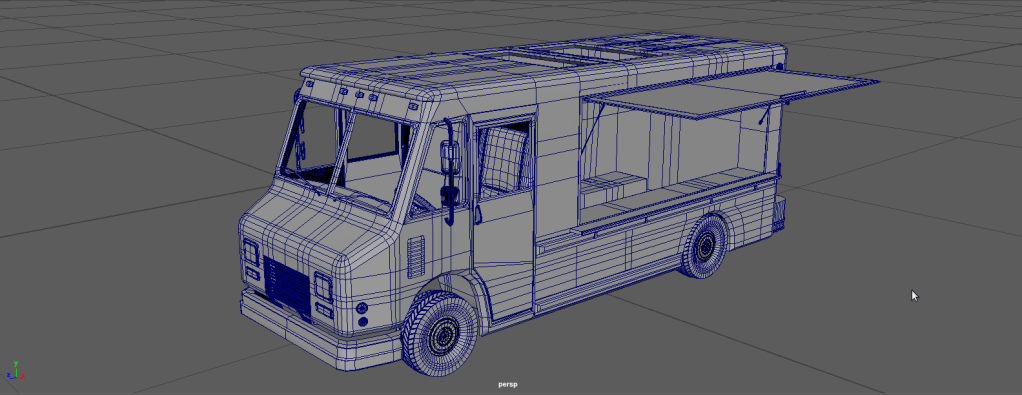
The taco food truck I created for the first Wizards Unite job was handled in a similar way. While still in concept I was asked to start creating it and given time to make the truck hero asset worthy. As the lead was getting feedback on changes I was able to change on the fly knowing I had a lot of time to adjust the model accordingly. Constantly I was reminded that I had an abundance of time to create it. I was managed based on my confidence and perceived skills based on the fact this was my second ever job. This was an excellent experience for me because I gained so much confidence from the trust placed upon me and my model result and also an understanding of how to manage projects based on what resources, in this case artists you have at your disposal.